Built by one.
Grown by a team.
Daniel Bajada now leads Bajada Lyons Group as Group CEO: twenty-three companies across seven sectors, on a foundation his father Mark started in 1989. This is where the group stands today, where Daniel is taking it next, and how it got here, in both their words.
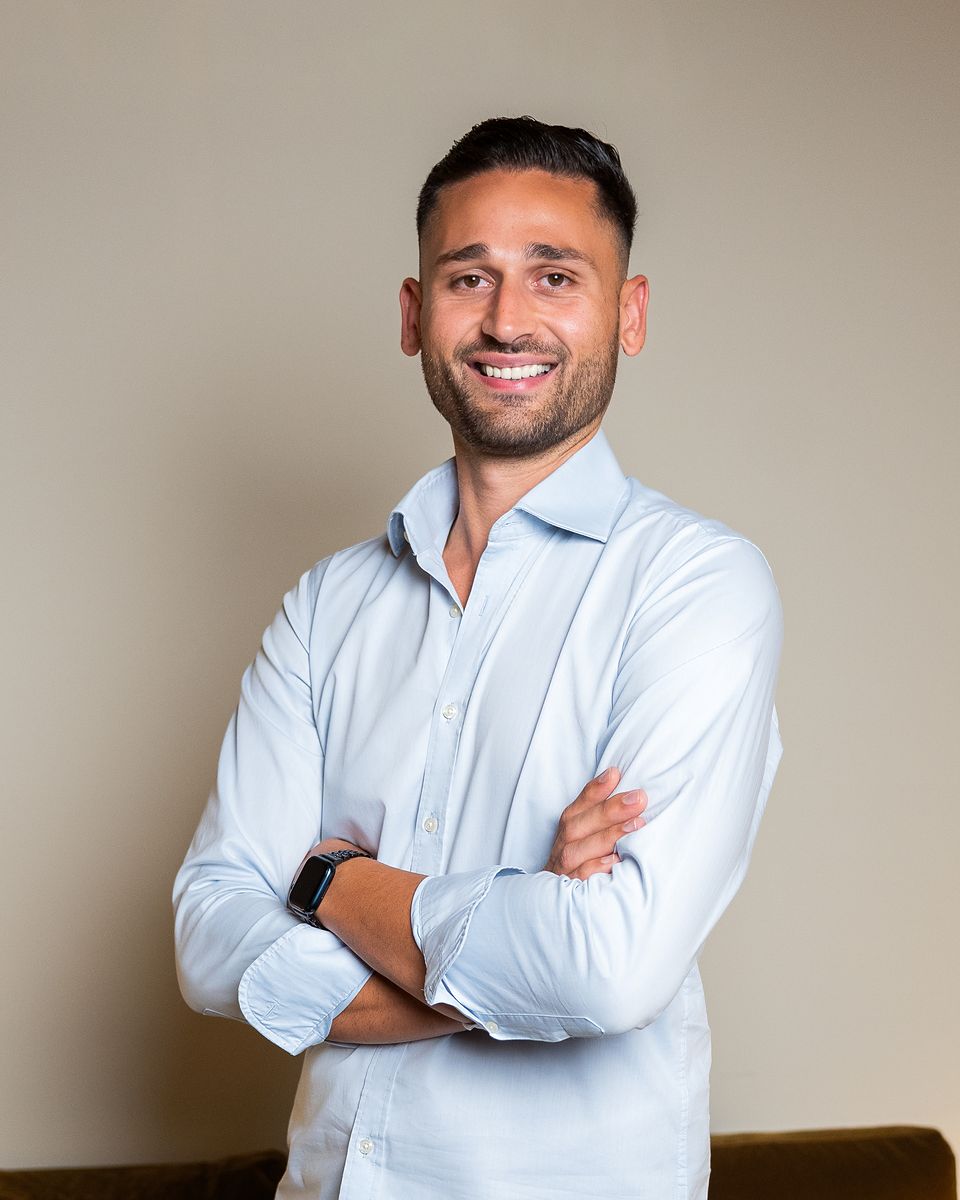
- 23 companies
- Seven sectors
- 200+ people
- Manufacturing in Malta since 2005
- Founded 1989
- EY Entrepreneur of the Year Malta 2022
The handover
The group today, Daniel taking the seat, and where he is taking it, with his father as the foundation.
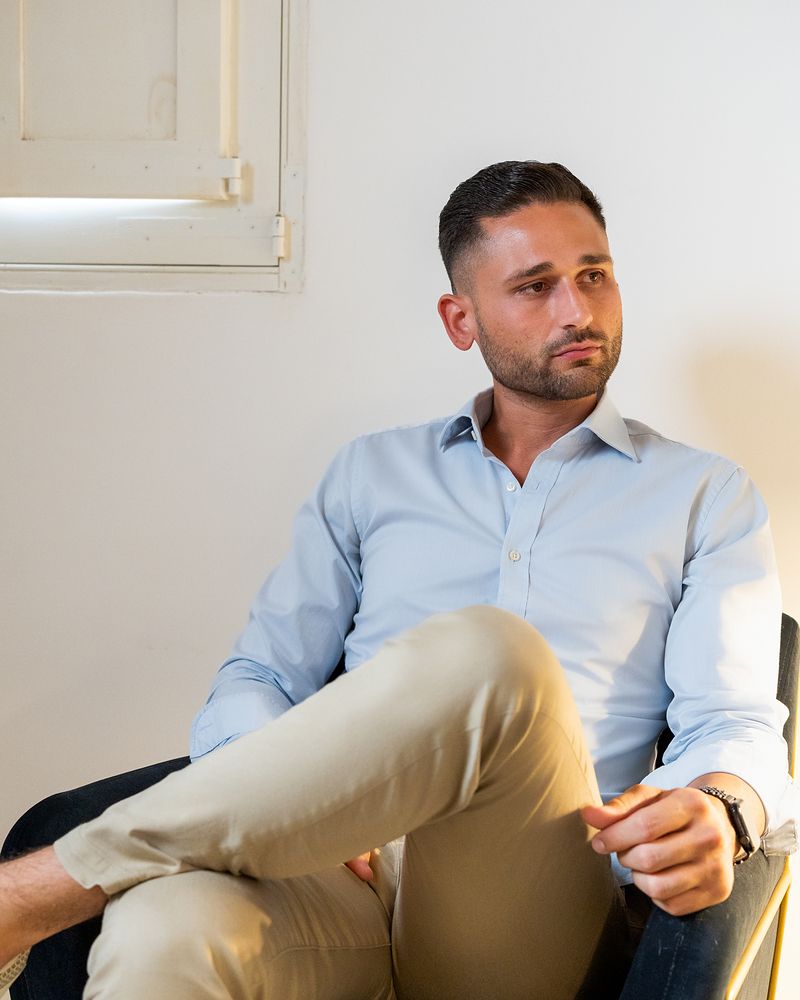
Daniel Bajada, Group CEO
Daniel Bajada is Group CEO of Bajada Lyons Group: twenty-three companies across energy, manufacturing, engineering, healthcare, hospitality, real estate and innovation.
He grew up inside the business and spent a full summer at twelve installing PV panels on Maltese roofs after a poor set of school exams. He holds a Bachelor of Commerce in Marketing and Management from the University of Malta, earned while working full time.
I took sales at eighteen, operations at twenty-one, the general manager's seat in 2019. So, when I say the title is new and the work is not, I mean it literally.
Import
There was no market in Malta, so bringing the product in was how you made one. He had left a secure job, had no support, and failed badly before anything moved.
Manufacture
Sixteen years in, with the business comfortable and nobody asking him to, he started building it here instead. Solar water heaters first, then water treatment, then desalination.
Export
The manufacturing was expanded in order to sell it beyond Malta. Seawater reverse osmosis is the lead product.
He imported when there was no market. He built it here when there was. My part is taking it off the island.
What has to change to get there
In ten years I want Bajada to mean something beyond one industry, one island and one generation.
We have to keep growing as an organisation without growing cold. Structure, governance, and leaders at every level who do not need me or my father in the room to make the right call.
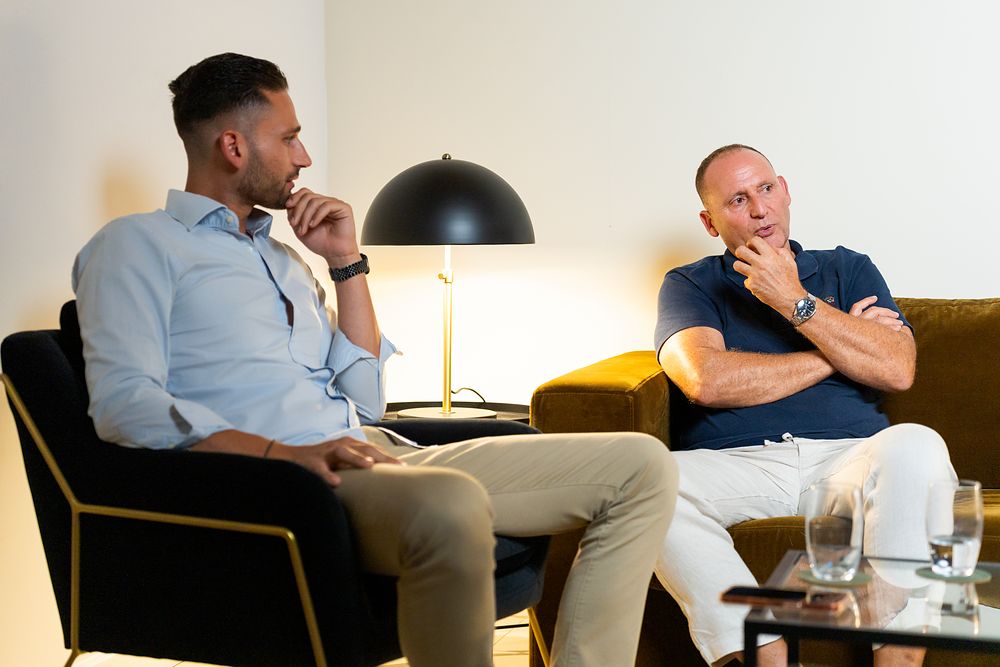
We asked them the same three questions.
Mark built the business. Daniel grew up inside it and now runs it. They have different answers about risk, about people, and about what the name is for.
We asked each of them what decision people around them doubted, what they are actually looking for when they walk the business, and what Bajada should stand for in ten years.
Same instinct. Different job.
Two generations apart, asked what they look for when they walk into a room.
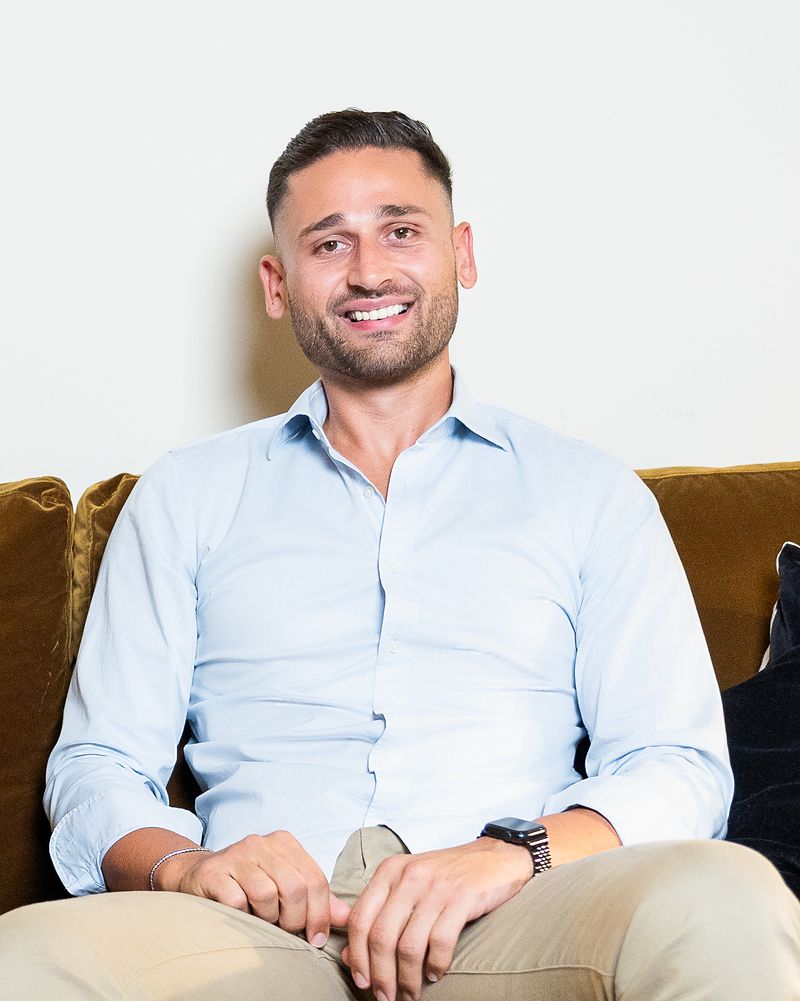
Daniel Bajada
Group CEOWhen I walk into a site, the first thing I read is not the numbers on the wall. It is energy. Whether someone stops what they are doing to explain something to me with pride, or goes quiet and waits for me to leave.
I am looking for ownership. Is someone fixing a problem because they noticed it, or because they were told to?
When something needs my attention, it is usually quiet rather than loud. A team that has gone a bit too silent. A manager who has stopped pushing back on me.
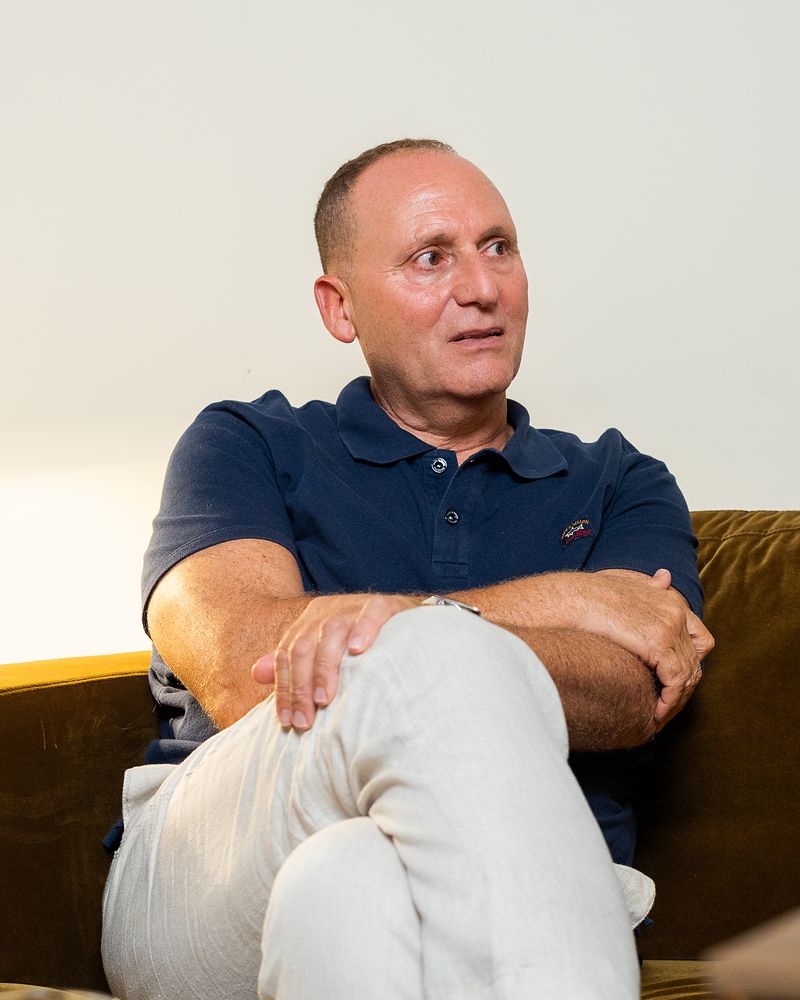
Mark Bajada
Chairman and FounderI am always looking for a unique selling proposition that benefits both the customer needs and the company. Knowledge with ambition is key.
Being very much a customer-centric person, I constantly try to read the room and look for what needs to be attended to and addressed. I am anything but a passive person.
The basic tools I have used since I started are observing, listening carefully, and being fair and present.
Two generations apart, both of them answered with the word people.
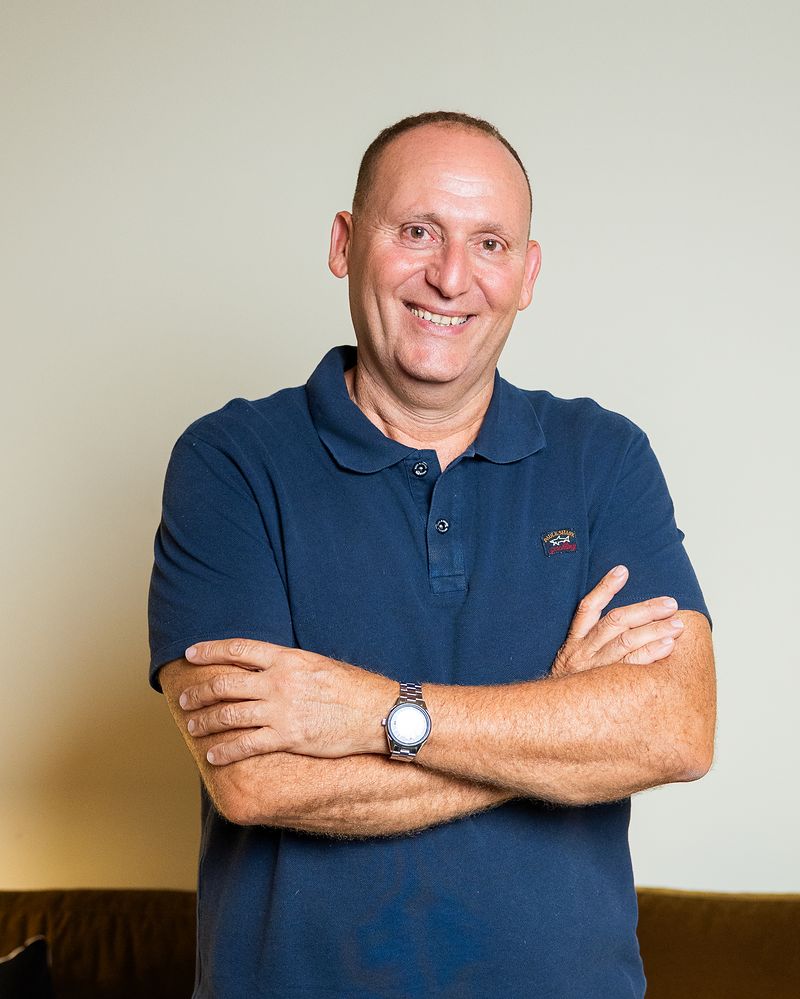
Business without risks is no business.
The foundation
Mark Bajada started the group in 1989 and is its Chairman and Founder. Everything Daniel is building stands on it.
- 1989
Mark Bajada leaves a salaried job to import solar water heaters from Australia into a Maltese market with no demand for them. No support, and in his own words he "failed miserably" for the first months, if not years.
- 2005
Mark moves the company from importing to manufacturing. Production starts with solar water heaters.
- 2005
Daniel is nine, and grows up inside the company rather than arriving at it.
- 2008
After wrecking his exams at twelve, Daniel spends the summer on roofs installing PV panels alongside one installer, in forty degree heat.
- 2014
Aged eighteen, Daniel's first summer in sales.
- 2017
Daniel takes over operations at twenty-one, having said he wanted nothing to do with them.
- 2019
Daniel becomes General Manager.
- 2022
Mark is named EY Entrepreneur of the Year Malta and represents Malta at the World award in Monaco.
- 2026
Daniel takes the Group CEO seat.
In their words
The full statement from Mark and Daniel Bajada, published in full.
I. 1989
Mark
"Back in 1989, the choice to import solar [water heaters] in Malta when there was no market. Very difficult and challenging, but this had become the modus operandi of our business models. We create business to do business.
My resilience and perhaps stubbornness to do something different, and perhaps the gift of having a vision, made me believe that I was making the right decision. I had no support and I was totally alone, and had left my secure job to fulfil this dream. And I must admit that in the very first months if not years I had failed miserably, but my tenacity and long working hours finally started giving small results. In my case failing was not an option. It had to work, full stop.
Business without risks is no business."
Daniel
That is the whole company, in one paragraph, before I existed.
A man bravely leaves a secure job to sell a product into a country that has no reason to buy it. No support. On his own. And by his own account he failed badly for a long stretch before anything moved but he tenaciously pushed on until he made it.
Everything I have was paid for by someone who was willing to be alone and struggling for a while but never gave up.
That same perseverance and instinct that built this business will be what takes it forward, now carried by a whole structured and solid team. This is the reason we are both putting our names to this.
II. What I inherited, and what I learned
Daniel
I grew up inside this company rather than arriving at it.
My mother used to answer the office phone with the company name, and I heard it so often that as a toddler when people asked me my name, I gave them the company one. The office was joined to my grandmother's house, so we went downstairs for lunch.
The part that actually shaped me was a punishment.
I was twelve. I had wrecked my exams, twenties and thirties, a genuine disaster. My father decided I was not going anywhere that summer. From July to early September, I installed PV panels. Not shadowing a crew. I actually replaced the installer's assistant, one installer and me, forty degrees, everything more manual than it is today. Twenty euro a day.
Some of those installers are still with us to this very day. When we discuss work, they feel comfortable as they know we are on the same wavelength.
I took sales at eighteen, operations at twenty-one, the general manager's seat in 2019. So, when I say the title is new and the work is not, I mean it literally.
My father ran the business single-handedly, and that was not a management theory for him. It was the actual condition of 1989. He was alone because there was nobody else. Holding everything was not a preference, it was the job.
Watching him, and later doing it alongside him, I realised how lonely it can get. For him it had been the only way to build the foundation. Today I get to build on it alongside a brilliant team.
My father built this company by carrying it alone. My job is to make sure nobody ever has to again.
III. Two decisions
Every leader gets measured by the call nobody around them agreed with.
Daniel
There is one decision I made that people who were there still talk about.
We had someone delivering real numbers. Hard to argue with on paper. But the way they got there was corrosive. People were afraid to speak up around them, and good people were quietly looking for the door.
When I said we were letting them go, a lot of people around me pushed back, and the logic was obvious. Why remove someone who is performing, in a market where performance is hard to find?
What made me sure was not confidence about the numbers. Short term it probably hurt us, but I knew what happens when you let one person's results excuse how they treat everyone else. You do not only lose that person's output. You lose the standard for everyone underneath them. Once people believe results buy you a pass on behaviour, that belief travels faster than any number you were trying to protect.
I would make the same call again without hesitating. Some of the best people we have today stayed because of it, not despite it.
My father risked his security on a market that did not exist. I risked revenue on a standard I was not willing to lose. He would tell you those are both the same kind of decision, and I have come round to thinking he is right.
IV. What each of us reads in a room
Mark
"Being very much a customer-centric person, I constantly try to read the room and look for what needs to be attended to and addressed. I am anything but a passive person, with very clear ambitions to grow and become better. Relentlessly.
There are several tools I use that give us clear indicators of the health position of both our customers but also equally so our partners and employees, without whom we could never have made it so far. Other basic tools I have used since I started are observing, listening carefully, and being fair and present.
Knowledge with ambition is key."
Daniel
When I walk into a site, the first thing I read is not the numbers on the wall.
It is energy. How people speak to each other. Whether someone stops what they are doing to explain something to me with pride, or goes quiet and waits for me to leave.
I am looking for ownership. Is someone fixing a problem because they noticed it, or because they were told to? Is the newest person on that team being brought into the conversation, or handed a task and left outside it?
And when something needs my attention, it is usually quiet rather than loud. A team that has gone a bit too silent. A manager who has stopped pushing back on me in meetings. A site technically hitting its numbers where nobody looks like they want to be there.
Two different vocabularies for the same discipline. He calls it observing, listening and being present. I call it reading the energy. Neither of us has ever found it in a report.
V. He imported in 1989. He manufactured in 2005.
Daniel
This is the part people get wrong about us, and I got it wrong myself for a while.
In 1989 my father imported solar water heaters from Australia because there was no market here. Importing was how you created one. There was nothing local to build on and no demand to serve.
Then in 2005 he started manufacturing, and the first thing he made was the solar water heater. The same product he had spent sixteen years importing, now built here. That is just over twenty years ago, and it happened long before I had any say in anything.
I want to be precise about that, because the easy version of this story is that my father bought things in and his son decided to make them instead. It is a tidy contrast and it is not true. He did both. He made the second one sixteen years in, when the business was comfortable and nobody was asking him to.
What followed was water treatment, and then desalination, which is the most recent thing we have added.
So we analyse, we design, we manufacture, we install and we maintain. On the water side that includes building and programming the control logic ourselves. I have personally done quality control on the stainless-steel tanks before they left for a customer. The rolling, the welding, the foaming, all of it.
The reason we do it that way is narrow and practical. If an imported system fails on a Friday afternoon, the supplier is in another country, and the lead time is measured in weeks. If we built it, we are on the island, and there is nobody else for the customer to call.
Made in Malta is not a slogan on a van. It is a lead time, a service contract, and a phone that gets answered.
So, what is actually left for me?
VI. Taking it off the island
Daniel
My father's answer to a market that did not exist was to import. His answer to a market that had grown up was to build it here. Neither of those is mine to claim.
Mine is the next one. We expanded the manufacturing with the intention of exporting it, and that is the part I am accountable for.
The lead product is seawater reverse osmosis. Take seawater in, give a hotel or a factory or a farm its own water instead of depending on somebody else's. Malta has had to solve that problem for a long time because it had no choice. That is not a small-market disadvantage when you go looking abroad. It is the reason somebody should take the call.
What we have is a product we build ourselves, control logic we wrote ourselves, and people who have kept these systems running in service long enough to know what actually breaks.
Which is roughly the position my father was in in 1989, and again in 2005. Something built before anyone asked for it, and then the slow, unglamorous work of finding out who wants it.
It is the same instinct three times over. In 1989 the harder thing was importing. In 2005 it was manufacturing. Today it is putting a Maltese-built system into a country that has never heard of us and has no reason to answer the phone.
My father's words for this were "we create business to do business", and "business without risks is no business". He was describing the habit of doing the harder thing the market has not asked for yet. I did not invent that habit. I inherited it, and I intend to keep paying it forward.
VII. What the name has to mean
Mark
"The Bajada name has always carried a sense of responsibility and duty for me. My passion and love for what I did made this seem easy, but trust me, it was never easy. Putting your name in the business clearly shows that there are no filters and you have to commit.
Over these last decades I always focused my energy on building businesses which are meaningful and have a purpose. My first plan is not to make money, but it is how I will impact other people's lives with what I'm doing. Luckily, apart from a few failures which are important to grow, our businesses are very healthy.
So, to answer the question, I would love to see this passion for innovation and solutions within our group in the next generation."
Daniel
That last line is the actual handover. Not a title, not a signature on a certificate. A request.
So here is my answer to it.
In ten years I want Bajada to mean something beyond one industry, one island and one generation. Not a name people recognise because it is big, but because of how we got there. That we built things properly, treated people fairly, and did not lose our character chasing scale.
We have to keep growing as an organisation without growing cold. Structure, governance, and leaders at every level who do not need me or my father in the room to make the right call.
I want the third generation to grow up, look at that name, and feel what I feel today looking at what my father built with his hands. Not obligation. Pride. And I want them to feel there is still more to build, not that it is already finished.
He asked for this passion to live on in the next generation. That is what I am accountable for now. That is why I am taking this seat.
Two more, on the work itself
The group.
Daniel on what the group actually is today, and both of them on failing.
About three minutesThe founder.
Mark on leaving a secure job in 1989 with a plan on paper, on 2005, and on what he wants carried on.
About three minutesWhat that adds up to
Press
Photography, biographies, company background and the full statement are available for editorial use.
For interviews with Mark or Daniel Bajada, contact Allyson Beach on allyson@bajadalyonsgroup.com.
Talk to the group.
Most conversations start the same way. Something is costing more than it should, or something failed at the worst possible time, and nobody has looked at the whole system in years.
Tell us what you run and which part of the group it touches, and we will put you in touch with the right person.
Write to us
Allyson Beach reads every message and passes it to the right company in the group.
Email Allyson